
According to a recent survey, almost half of our population feels socially disconnected.
Can this disconnection be remedied? And can a music program be a catalyst for connection in one’s own neighborhood?
Every day the staff at Community MusicWorks asks these questions.
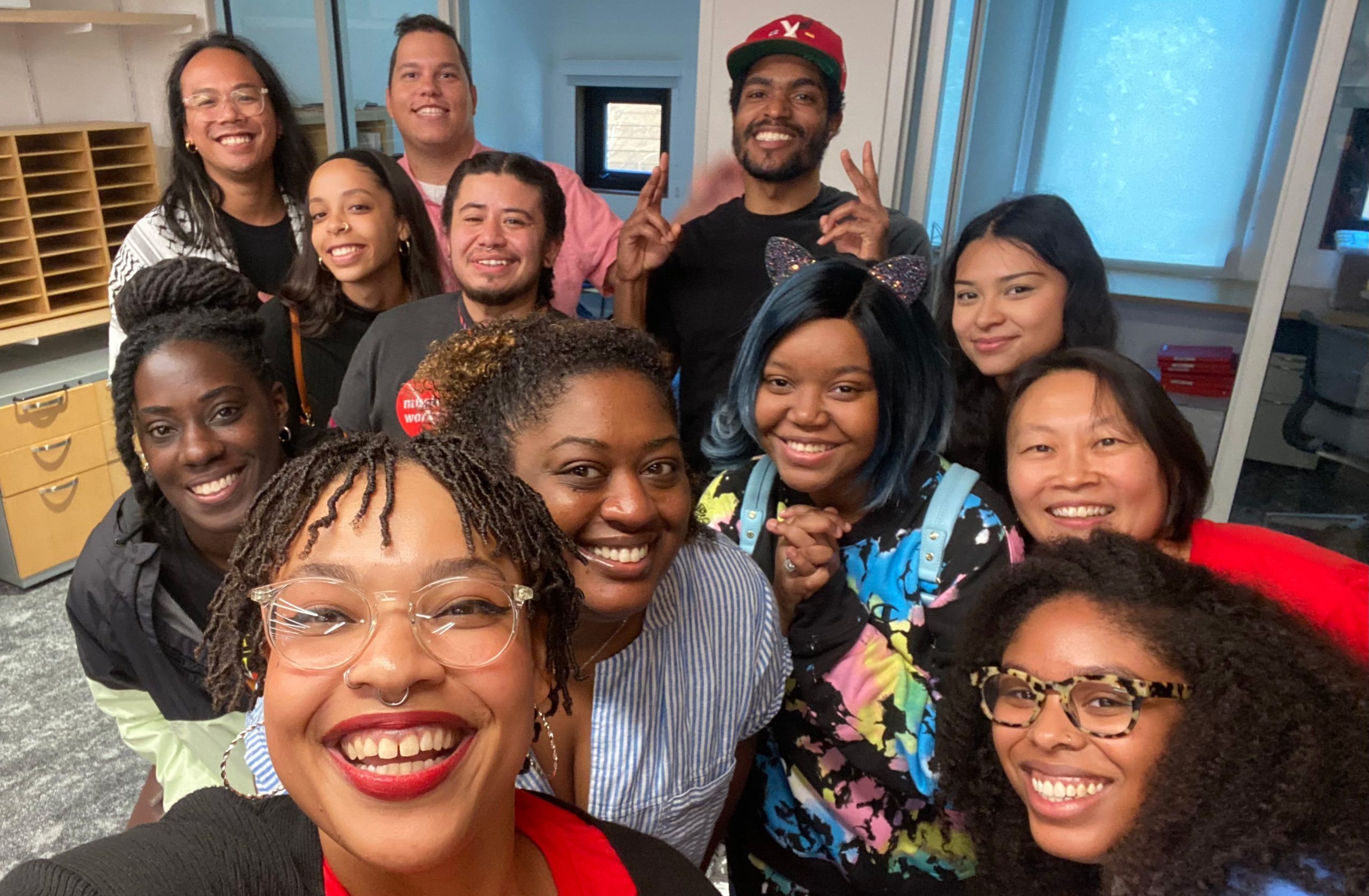
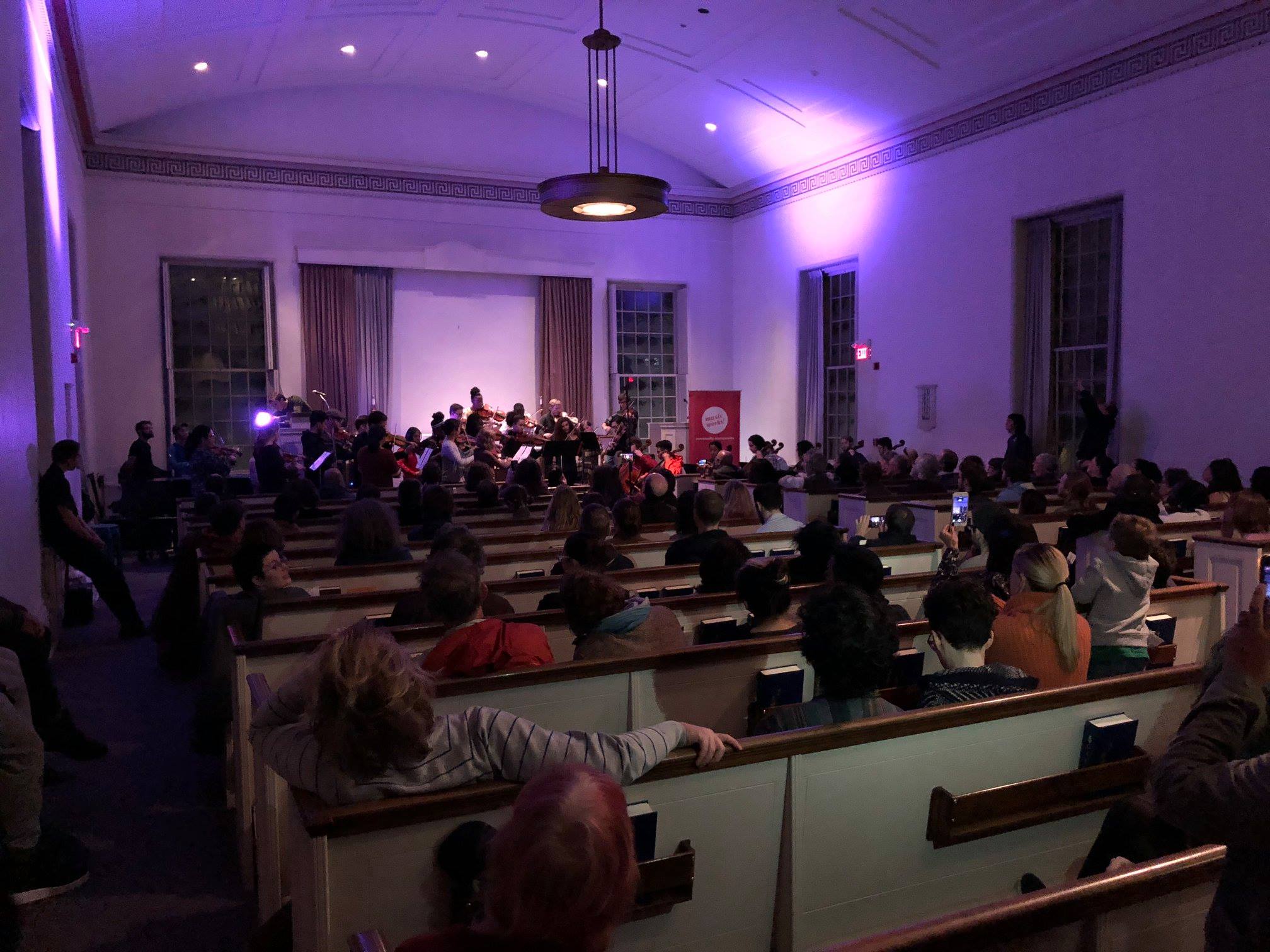
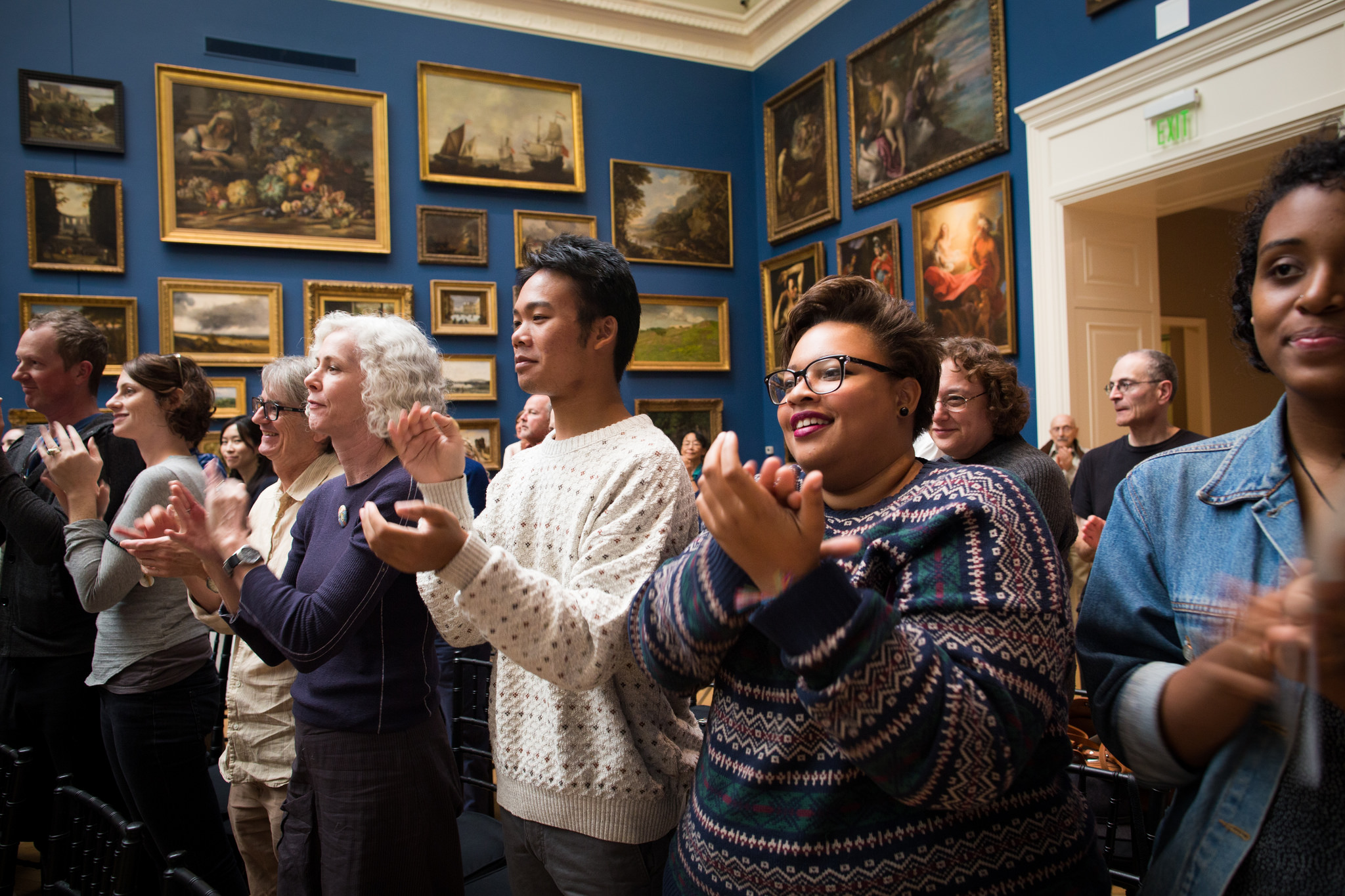
As we begin our third decade, we see our work in music and social justice making transformation in big and small ways. At our opening concert and picnic, students, families and community members listened together as the MusicWorks Collective performed a rediscovered work by African-American composer Florence Price.
A woman passing by with bags of groceries joined the gathering. She turned to me as the audience applauded. “I was overcome by this music,” she said. “I needed this today.”
Small moments of connection like this can be powerful. In a larger sense, we’re seeing how our organization’s work in the West End of Providence has made profound and lasting change:
in our students, making accomplishments as musicians and developing their voices as thoughtful citizens of the world;
in our Resident Musicians, as the MusicWorks Collective draws larger audiences and programs repertoire that represents all voices;
in CMW’s MusicWorks Network, as a national cohort of CMW-inspired and like-minded programs work together to align arts education with anti-oppression practices;
and in our audience members, who engage deeply with the music and the performers to create heartfelt experiences in real time, together.
How does music transform lives? Every day Community MusicWorks asks – and answers – this question in lessons, community discussions, and performances.
Music transforms by creating meaning in moments of connection, and by bringing us together in community.
And isn’t that something we all need today?
We’re looking for you to join this collective effort. Your gift to Community MusicWorks is the catalyst. Together, we can bring the power of music to students, families, and audiences.
Together, we can make the connection.
Sincerely,

Kelly Reed
Managing Director
Where did the idea for Saturday’s Fellows Quartet concert come from? Practically speaking, it grew from a decision made earlier this year: my colleague Luke & I decided to organize two “fellows” programs this season, with CMW’s blessing. I’d design a small, intimate show in the winter, and he’d plan a quartet recital for the spring, in a larger, more traditional concert space. That’s how we ended up with a December 1st date in Jori Ketten’s beautiful gallery space at 159 Sutton St (7pm! Don’t miss it!).
How did we arrive at this odd mix of notes? Scandinavian folk tunes. Sacred music by a 12th-century mystic. A short, secular tune by a Medieval songster. An aphorism by a severe Hungarian modernist (“by” is a stretch – stay tuned). Four minutes of Mozart. Two minutes of Bach. What a mess! Why a mess?
I can’t say for sure, but my working hypothesis is that this mess came from two unrelated ideas. Two ideas that Ms. Young – my high school history teacher – would have called “Visits to the Planet Non-Sequitur.”
***
First – it came from Schubert, even though there won’t be any Schubert on our program (the atmosphere’s nice on Non-Sequitur, eh?). There’s a moment toward the end of Schubert’s Der Lindenbaum** that I can’t get out of my head. It’s not particularly unusual or profound, really. Just a little expansion of an E Major arpeggio, slipped in between the singer’s final statements (“du fändest Ruhe dort / you’d find peace there”). It shouldn’t be much, but it breaks my heart – a world of regret, in three notes. An arpeggio can be a throwaway gesture – one extra, sugary flower on a wedding cake. Or it can make you cry.
***
Second – it came from a winter day in 2011, when I was thinking about quitting the violin. At the moment, I was preparing a Brahms sonata for a recital – the first one, the Regenlied, it’s a good one, take a listen – and conducting weekly Vibrato Wars, in which my teacher and I would argue about how many notes one should wiggle, and whether the wiggling should continue from note to note uninterrupted, and on and on and on. Did beauty come from the wiggling? What about meaning – did that come from the wiggling, too? I was pretty burnt out from the Vibrato Wars. I didn’t know how I wanted a violin to sound, but I knew it wasn’t the way I was being asked to play. My teacher was and is a brilliant musician, and I am full of admiration for her – but I just couldn’t realize the sounds she wanted from me, because I didn’t believe in them.
And then, entirely by chance, I pressed “play” on a short little iTunes preview, a 30-second clip from a recording by German violinist Isabelle Faust & Russian pianist Alexander Melnikov, and everything changed. They played the opening notes of the Regenlied on an old-fashioned, 19th-century piano, and on simple strings made of gut. Here was a sound that had texture as well as color – it was flawed, and vulnerable, and pure. There was some vibrato – some wiggling – but not much. It was like someone telling a simple story, and telling it beautifully. The words were plain, but the delivery – the grain of the speaker’s voice… a pause here, a sigh there – couldn’t have been more subtle or powerful. That little clip gave me lots of hope, and I listened to it again and again and again, and I decided to keep playing the violin.
***
The pieces we’re going to share with you will be full of moments like that little gasp in Der Lindenbaum. They will lend themselves to that unvarnished sound – sweet and raw – that I first heard seven years ago.
You’ll hear most of Wood Works, a collection of traditional Scandinavian folk tunes, beautifully arranged by the Danish String Quartet. These are storied pieces that sound simultaneously plain and complex, ancient and contemporary, in the way that folk music often does. My favorite is the unassuming, slow Waltz after Lasse in Lyby – you can hear a clip of that on CMW’s Instagram, if you want a taste…
Throughout the night, we’ll drift in and out of the world of Wood Works, visiting disparate yet related voices from a millennia of musical history. You’ll hear a gorgeous transcription of O virtus Sapiente (“O power of Wisdom”), by the 12th-century visionary, Hildegard von Bingen. You’ll hear a lovely, lilting tune – Rose, Liz, Printemps, Verdure – by everyone’s favorite 14th-century celebrity, Guillaume de Machaut. And you’ll hear three of my favorite things…
One, an achingly sweet little melody from Bach’s keyboard Capriccio, BWV 992. If you’ve seen Luca Guadagnino’s Call Me By Your Name, you’ll recognize this – it’s Elio’s serenade to Oliver on a lazy, summer day.
Two, a magical Andante from one of Mozart’s Divertimenti for string instruments. This is the perfect example of Mozart’s magic, in my eyes. We start with a graceful, predictable dance, and it seems you know how it’ll play out. All it takes is a single chromatic inflection, though, to send us to the world of opera in miniature – as beautiful an arioso as you’ll ever hear… but don’t blink, or you’ll miss it.
Third, the conclusion of György Kurtág’s Officium breve in memoriam Andreœ Szervánsky. I worship Kurtág’s music – check out his orchestral masterpiece Stele/ΣΤΉΛΗ, if you’re new to his art – but the irony here is that the Officium breve’s concluding page isn’t even by Kurtág. Rather, it’s a quotation from a string orchestra piece by Szervánsky, the Hungarian composer memorialized herein. The Kurtág/Szervánsky wasn’t included on the Voyager Golden Record (it hadn’t been written yet…), but I like to imagine that it was. I picture that tiny minute of music hurtling through space, a kind of “Interstellar Call.” It has all of the magic of Beethoven’s Cavatina, in twelve measures.
So, join us on Saturday night for a visit to the Planet Non-Sequitur. There’ll be some good tunes waiting to greet you.
–David Rubin, violinist, Fellows Quartet
Fellows Quartet
Saturday, December 1 at 7pm
159 Sutton Street, Providence
Get directions here
** About 17:45 into a Winterreise recording by Mark Padmore & Paul Lewis, if you’re curious – https://youtu.be/soDkFNsQMFA.
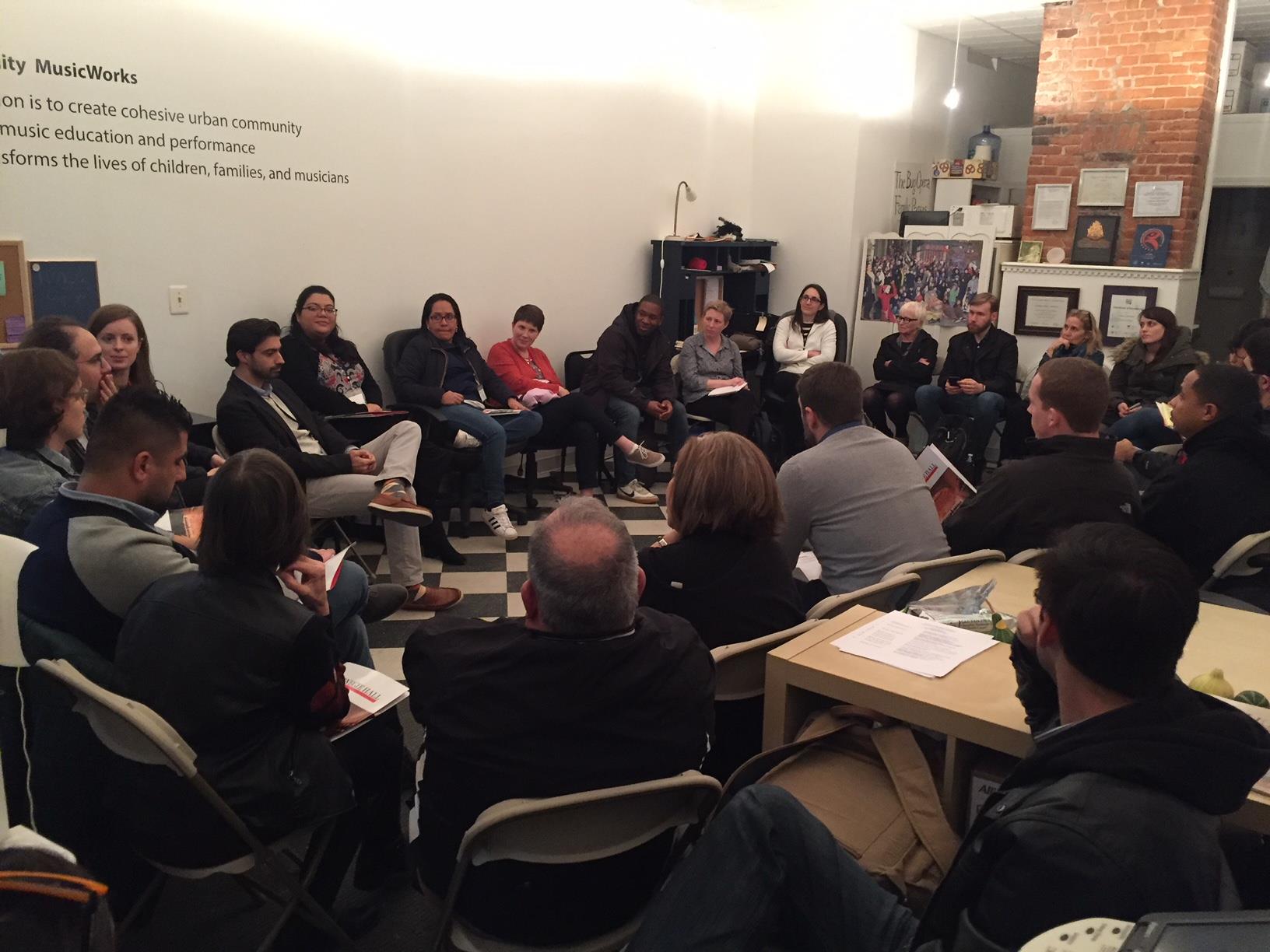
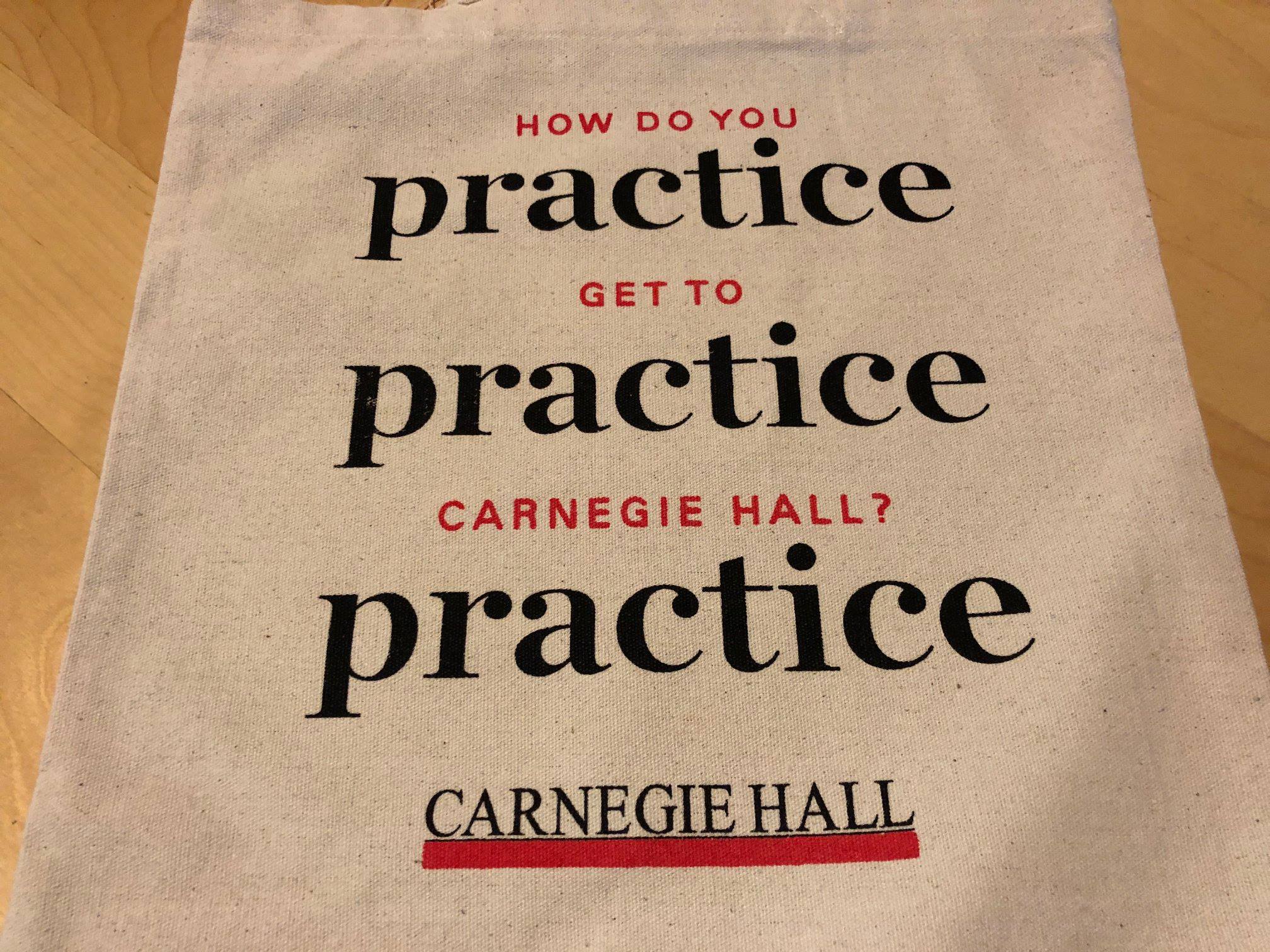
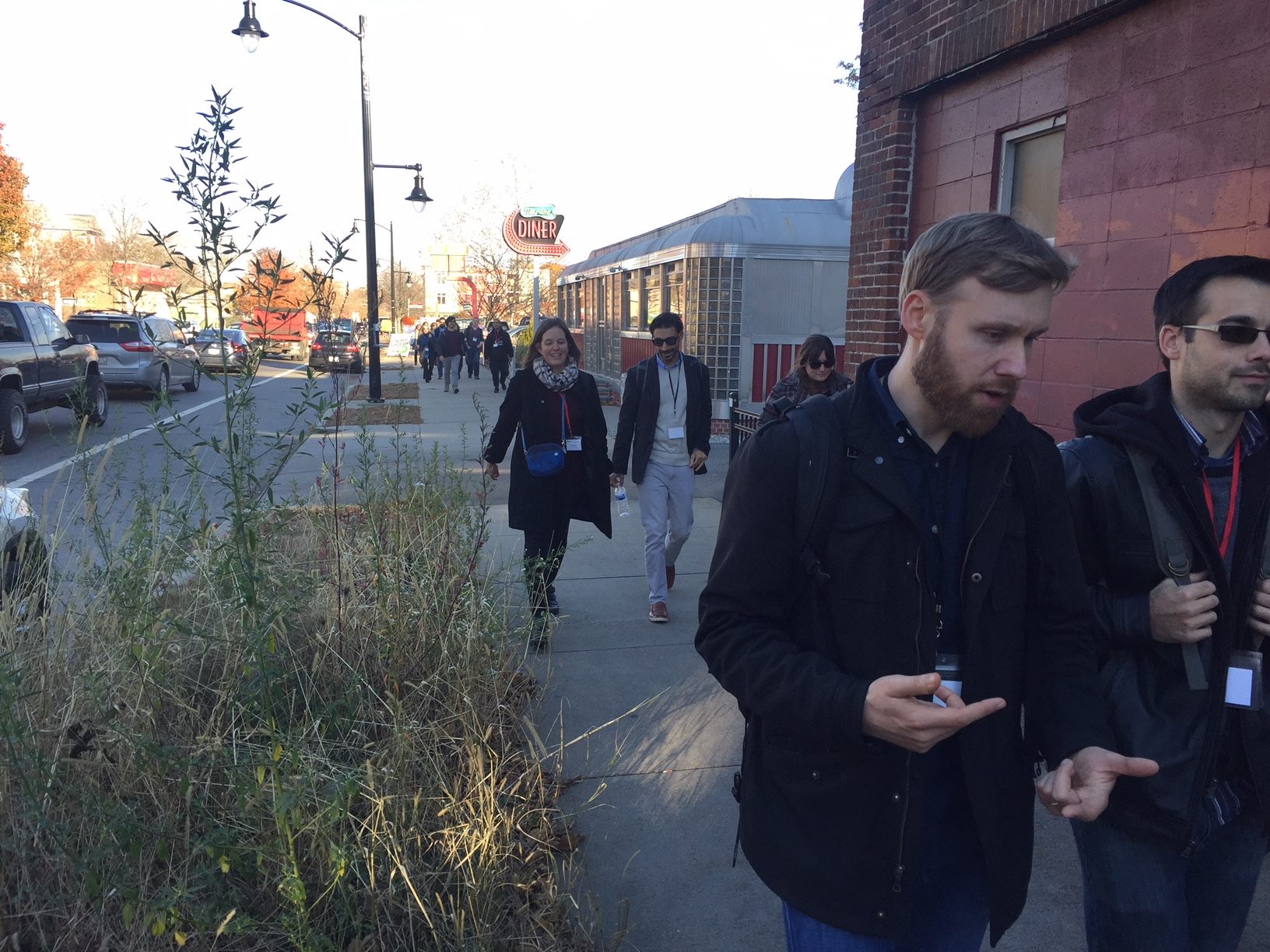
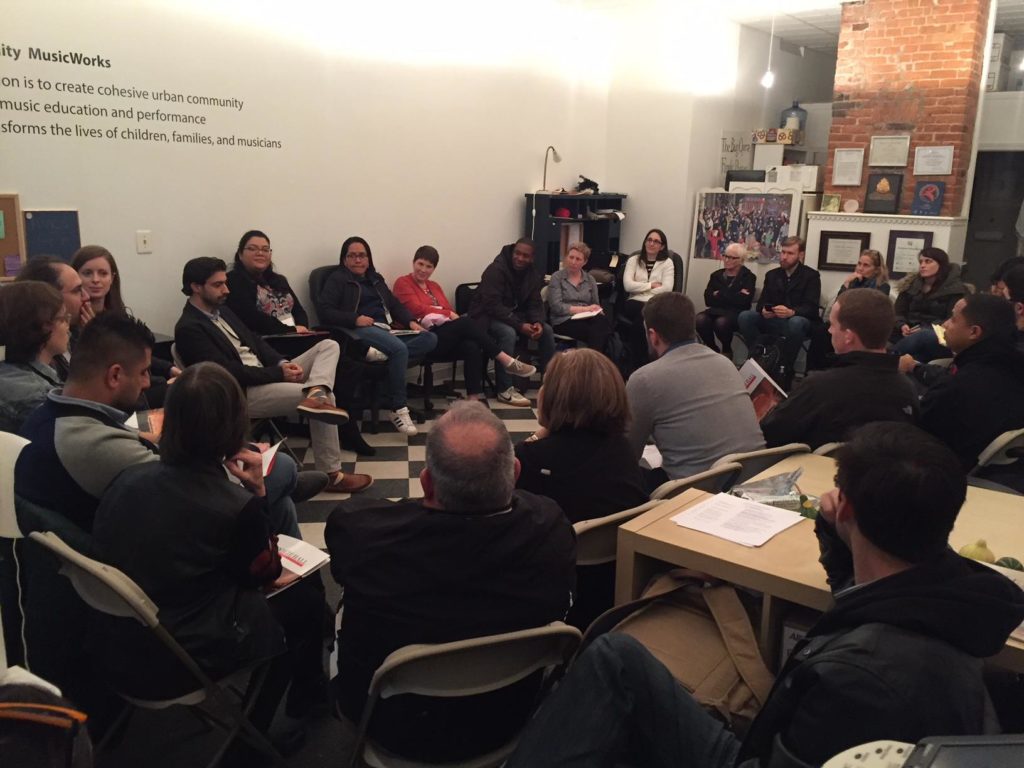 Community MusicWorks was recently honored to host the Carnegie Hall Weill Music Institute PlayUSA “intervisitation,” where fifteen music education non-profit partners gathered at CMW’s Westminster Street space to exchange ideas, engage in dialogue about teaching practice, and gain support and inspiration. Community MusicWorks was recently honored to host the Carnegie Hall Weill Music Institute PlayUSA “intervisitation,” where fifteen music education non-profit partners gathered at CMW’s Westminster Street space to exchange ideas, engage in dialogue about teaching practice, and gain support and inspiration.
Carnegie Hall’s PlayUSA supports partner organizations across the country, including CMW, that offer instrumental music education programs to underserved youth. PlayUSA granting provides funding, training, and professional development to help address challenges and build on best practices.
As a component of this support, intervisitations are on-the-ground professional development opportunities for PlayUSA partners, designed to offer a chance for conversations on community music education programming, the experience of musical learning through the lens of site-specific programming, student engagement, and community involvement, along with developing shared strategies and resources.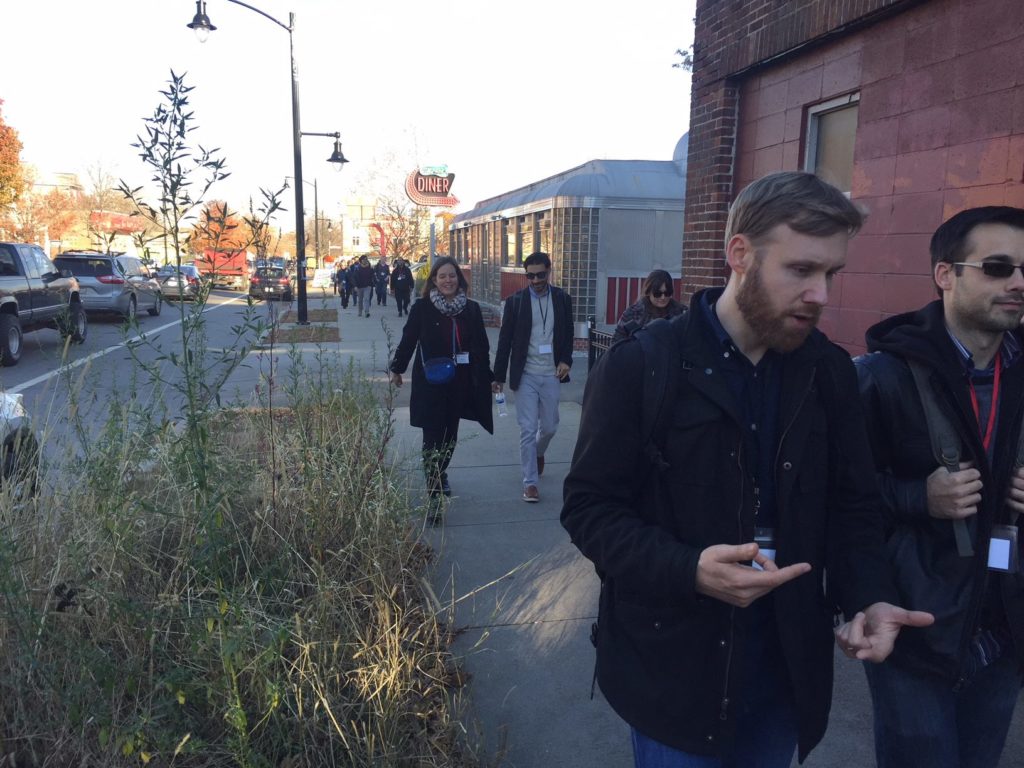
Representatives from participating organizations across the country arrived to Providence with the goal of learning from CMW’s core values and pedagogical approach to youth development through lessons, ensemble rehearsals, and our Phase II structure of student-led discussion on topics, including social justice, important to our teen musicians. During the two-day convening, educators and administrative staff had the chance to observe lessons, ensemble rehearsals, and engage in conversation with CMW staff and students.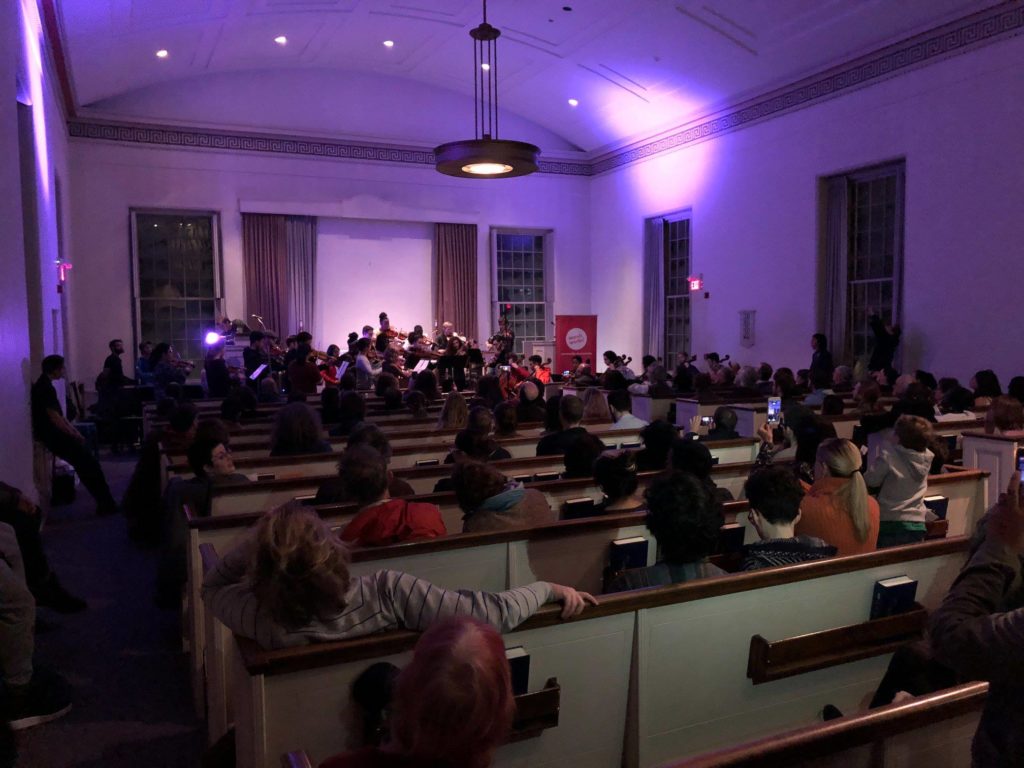
The visit ended with several participants joining our Phase II teen musicians in a magnificent performance of the Brandenburg Concerto in CMW’s 6th annual Bach Marathon.
Learn more about our PlayUSA partners here:
Sebastian Ruth reports on his recent trip to the Southwest for the Culture/Shift conference:
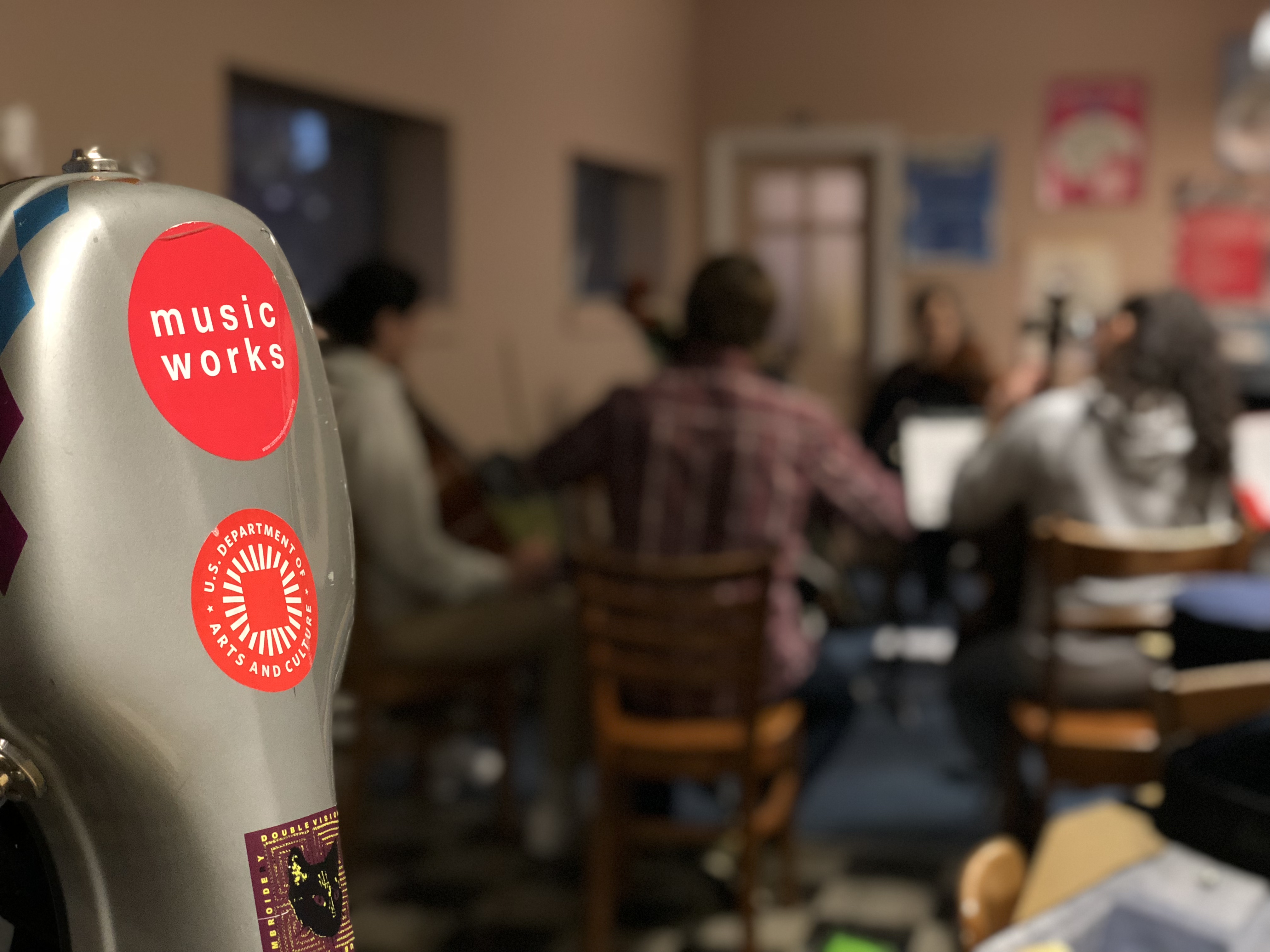
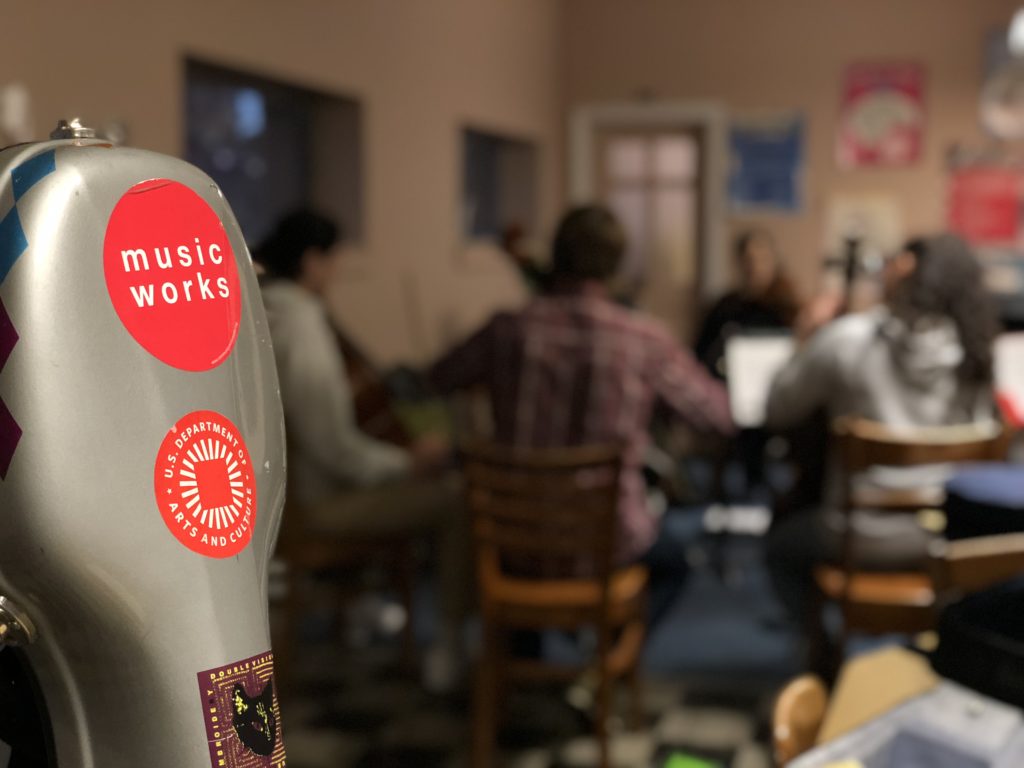
Last week, over 400 Citizen Artists from across the country gathered for a weekend of “cultural healing, resilience, and resistance” at the U.S. Department of Arts and Culture convening, Culture/Shift, in Albuquerque, New Mexico.
Despite the name, the U.S. Department of Arts and Culture is not a government agency, but rather an act of collective imagination by a group of artists, cultural workers, and activists (i.e., Citizen Artists) from across the country who are committed to creating a culture of empathy, equity, and belonging.
Ashley Frith, CMW’s MusicWorks Network Fellow, and I traveled to Albuquerque to attend Culture/Shift and shared CMW’s deep history of prioritizing education for liberation in a presentation titled Freedom, Equity, and Music: Music Learning as Emancipatory Pedagogy.
We began by giving an overview of the ways we bring Brazilian educator Paolo Freire’s philosophies into our practice in order to have students feel a stronger sense of agency over their own learning and a voice in what they learn, highlighting this quote from Freire:
“The unfinished character of human beings and the transformational character of reality necessitate that education be an ongoing activity.”
Ashley and I discussed ways that music education can promote freedom and equity through clear intention, thinking about repertoire and methods, and ensuring that students bring themselves fully into the experience for maximum reciprocity. Ashley presented on the project she’ll be sharing as she travels to the MusicWorks Network cohort organizations this year, centered on developing antiracist practice through self-love exercises.
It was a rich, exciting convening: full of hope, deep reflection, action, and purpose. As Adam Horowitz, Chief Instigator (all USDAC people get to invent their own titles, and mine on the national cabinet is the Secretary of Music and Society!) called out at the final ceremony: “The USDAC is not about a government agency coming in, it is about our agency coming out!”
–Sebastian Ruth
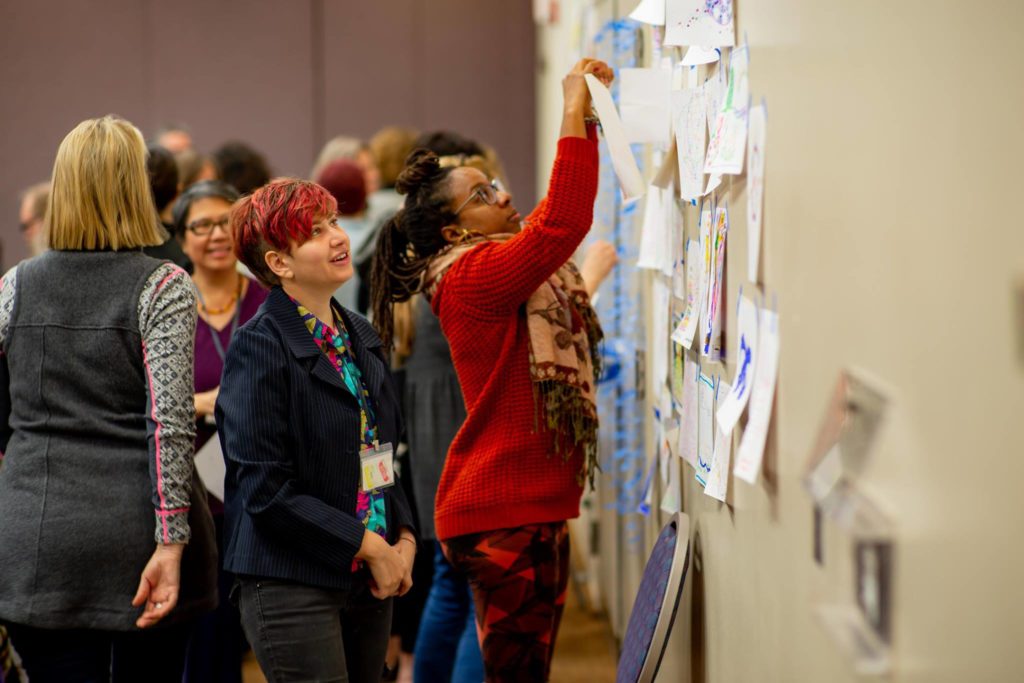
Want to get involved? Join an outpost, become a citizen artist, and download the many awesome resources at USDAC.us
It gives me comfort to know that even a masterful composer like Chopin was sometimes uncertain about the quality of his work. I’ve been engrossed in his letters from later in life, where he mentions his struggles in a letter to his family: “Sometimes I am satisfied with my violoncello sonata, sometimes not. I throw it into the corner, then take it up again…When one does a thing, it appears good, otherwise one would not write it. Only later comes reflection, and one discards or accepts the thing. Time is the best censor, and patience a most excellent teacher.” It seems that in the end Chopin accepted his Sonata for Piano and Cello, since the following year he submitted it to Breitkopf and Härtel for publication.
Frédéric Chopin is known mostly for his many great compositions for piano; in fact, he only wrote a handful of pieces in his life that include another instrument, three of which were for cello and piano. This might mean that the composer had an affinity for the sound of the cello or felt somehow that it was a fitting voice for what he had to say. In this case it was what he had to say at the end of his life – the piece was one of the last he composed, and it was premiered in Paris in his last public performance before his death at age 39. He performed the piece with his dear friend, cellist August Franchomme, whose friendship may also have been Chopin’s inspiration for the sonata.
It could be that Chopin had so little experience writing for other instruments that he struggled so much to complete the piece. There are pages upon pages of sketches for the sonata. This was a piece he really wanted to get right, and as much as he worked and rewrote and revised it, he still never seemed to be quite certain about the outcome. In fact, in the premiere, he and Franchomme performed only the last three of the four movements, reportedly because friends had criticized the first movement in a preview performance in a local home. Friends! Sometimes friends can be wrong – of all the movements I find the first to be exceptionally personal, reflective, tragic, and brilliantly written.
I have to say Chopin’s struggles with the sonata paid off – he worked diligently to mold every detail, and as a result each movement is beautifully written, rich, with soaring and tender melodies, and at other times searching or tempestuous. Chopin’s character is reflected in letters to his friends, family and colleagues, where he shows a fascination for science and all things new and interesting in the world, an appreciation for beauty, a tenderness for loved ones and a wistfulness for better days.
–Adrienne Taylor, cellist
Join us on Thursday, October 18 at 7pm as cellist Adrienne Taylor performs Chopin with pianist Andrei Baumann in our Sonata Series at the RISD Museum Grand Gallery.
More information on our calendar.
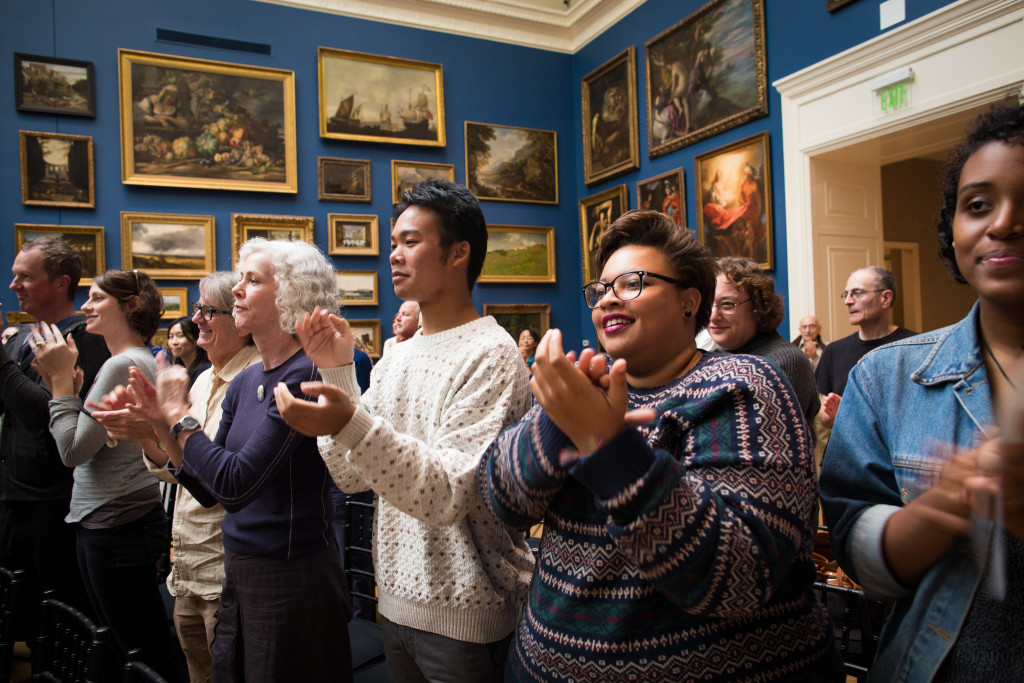 Artistry, education, community, dialogue: the DNA of Community MusicWorks. In our 22nd season we continue to braid these themes together in new and thoughtful ways in Artistry, education, community, dialogue: the DNA of Community MusicWorks. In our 22nd season we continue to braid these themes together in new and thoughtful ways in
our ongoing work to make musicianship a vital part of public life.
Over the past 22 years, CMW has engaged in investigating how musical practice and a commitment to social justice align. This has included an examination of our teaching practices and the ways in which we support young people to have agency in their own learning and in developing authentic voice. It also means recognizing that the choice of music we play is meaningful: it matters who created the music, what cultures, styles, and experiences we represent, it matters that our students are encouraged to develop their own voices as composers, improvisers, and arrangers of music, and it matters how, as an organization, we continue to ask questions at all levels — from our student programs to our concert season — about which voices are heard.
It matters that we — performers and audience — create meaningful musical experiences in real time, together.
Last year, we programmed nearly half the concert season with works by women composers. In our 22nd season, I am thrilled with the range and variety of voices we will present over the course of the season — from Osvaldo Golijov to Gabriella Lena Frank, to a performance of music by Florence Price, whose works are finally receiving the attention they deserve, to a special residency collaboration with Syrian composer and clarinetist Kinan Azmeh in partnership with Brown University and the Dorcas International Institute, to a new work by composer Kareem Roustom, to a program centered around Bartók that includes several informal opportunities for music and discussion in pubs ( Bartók = bar talk), to a season finale featuring the return of music by our friend and former colleague Jessie Montgomery. Throughout this year, your spirited presence as audience members will be essential for bringing these voices to life.
Our students finished the last season with an extraordinary finale of El Pueblo Unido by Sergio Ortega, complete with original verses they had written around the theme of what the world can look like if we come together around common cause. In Season 22, we continue to develop projects that bring our students’ hearts, minds and voices to the stage as we explore artistry in their communities through complex musical projects.
Our commitment to extraordinary artistry, excellence in education, and engaged community define Community MusicWorks’ mission in the city of Providence. In this 22nd season, we bring all these elements together in celebration of the joy of music-making and community building, and it wouldn’t be complete without you.
We’re excited to have you with us!
— Sebastian Ruth, Founder & Artistic Director
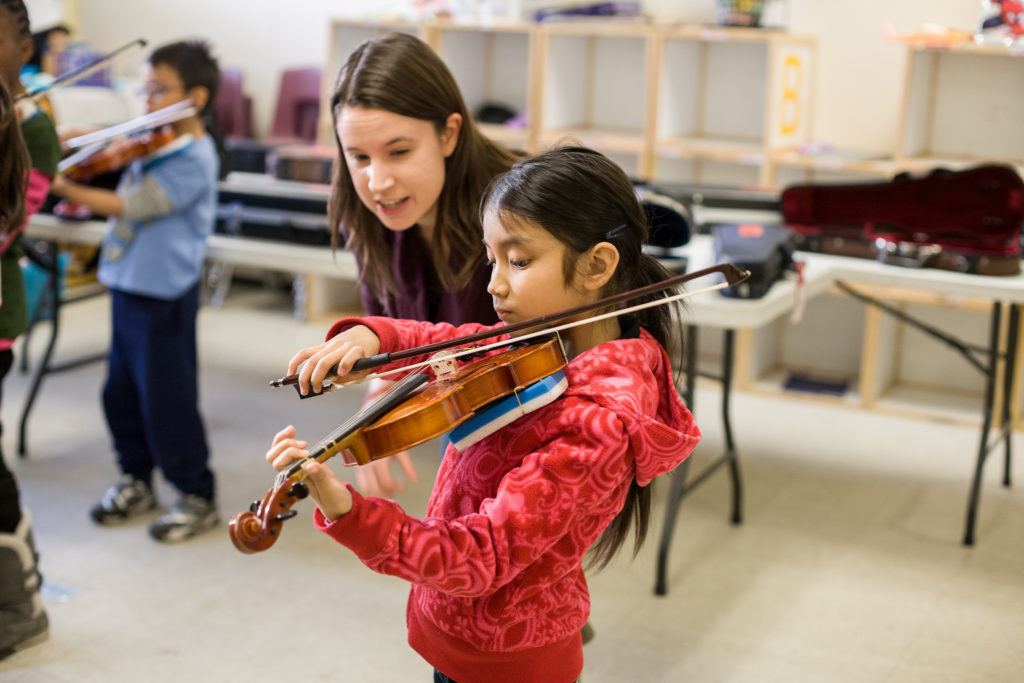
At times the practice of teaching feels akin to looking at your pores in a magnifying mirror. It’s an activity to be pursued with great caution and great strength of spirit. It can be extremely unpleasant, may cause hyper-awareness of your flaws, and may result in a tendency to obsess over the tiniest imperfections imperceptible to anyone else. Before you know it you could be drowning in the microsphere. . . or perhaps you’ll be marveling at it. Perhaps you’ll step back and stand in awe of the miraculousness of life. It’s hard to tell on a given day if teaching will send me into a metaphorical pore-flushing frenzy or give me one of these awestruck moments, but that’s the strange beauty of teaching.
When I am in the thick of daily teaching practice, it’s all too easy to lose perspective. I catch my mind obsessing over the tiniest things like curved pinky fingers, a persistent F# when there should be an F natural, a bow that never seems to be rosined, a string that always seems to conveniently come loose before a particular song, the student who habitually plays songs on the wrong string, the jokester who is always vying for my attention, or those pesky friends who just can’t stop talking to each other. If only they’d stop being best friends for a moment maybe we could get something done!!
As a teacher of young children you learn that the tiniest of factors can completely destroy your lesson plan, and there never ever seems to be enough time, energy, or resources to handle all the problems you might see on a given day. Some of these factors are in your control, so you have to be on your guard at all times to make sure you don’t make a terrible mistake you’ll regret for the rest of the day – a mistake like leaving the dry erase markers out in the wild. Or forgetting to unpack your violin before your important demonstration, leading you to have to vamp for some precious seconds, during which time someone does a hilarious dance move and the focus of the entire room is completely lost and the rest of the day goes downhill from there. And why are the cellists suddenly playing tag instead of getting out their instruments?? Ah yes, of course, it is my fault. I forgot to take the cellos out of the closet. I really set them up for that one!
As teachers we learn to anticipate (and obsess over) every possible factor within our control that could go wrong. Occasionally we do a good job with our anticipations, but frustratingly there’s an even longer list of factors that are not in our control at all. I’m still learning what these even are, but I know the list includes things like: a bee could fly into the room, the temperature could be too hot or too cold, there could be a fight among peers before orchestra begins, a birthday party that everyone is super grumpy to be pulled away from, a holiday approaching resulting in a communal sugar overdose, an iPad taken away by a parent, a string breaking, a sick family member, a loss of a friend, or any number of factors ranging from kid-version-of-serious to actually serious. There is no way to predict or control these types of situations, and yet they have real consequences for how the orchestra rehearsal or lesson might go on a given day.
If monitoring, preparing for, and navigating all possible negatives sounds kind of exhausting, it is! Remember – pores in a magnifying mirror. Not an activity I could recommend to anyone.
Oh, but then there’s the magic.
There are the moments when I step back from the mirror and see the whole, and I suddenly realize “This is amazing!” It could be hearing my own words echoed back to me from a student who I didn’t even think was paying attention in the first place. It could be a hug, a smile, an admission “I feel proud of that” or a “remember, you’re the one who taught me how to do that, Ms. Lisa!” or “No, silly, Thomas Tallis lived in the 1500s!” It could be hearing the students who spontaneously improvise together while waiting backstage for a performance or the student who teaches herself a piece by ear without any help from me at all. There are moments when I realize in spite of all the inevitable messiness, the imperfection, and the runny noses, progress is being made. Learning, music-making, and community building are all happening. Transformation is happening! In fact these things have all been happening right before my eyes the whole time, all while I was fretting over the location of the dry erase markers.
These magical moments can happen at any time, but for me they tend to amplify at the end of the school year, when I finally have space and opportunity to look back in time, to see the longer view of the year (or rather 6 years now that I have 6 years of time at CMW to look back on!). I had one of these moments recently when I watched the video of this year’s annual Gala – a video of every CMW student and musician joining together in an orchestra to make music. Mind you, when I was actually performing in the Gala I was too worried about a potential vomiting situation. It took watching the video for me to recognize what an incredible feat that performance was and how it truly represented the the invaluable work that every single person involved with Community MusicWorks is doing year-round (and has been doing for the past 21 years).
The mission of Community MusicWorks is to create cohesive urban community through music education and performance that transforms the lives of children, families, and musicians. A mission of transformation is a lofty one! Truthfully, in my earlier years here I sometimes felt frustrated that this lofty mission didn’t really distill down into simple, practical, manageable steps. There was no exact template for how to do this, no step-by-step guide to transforming lives and building community. No exact recipes, no guarantees, no user manual, no unit of measurement to tell if the process was working. And the practice itself didn’t always feel that magical or transformative! It seems a bit strange that achieving a lofty mission can involve a whole lot of seemingly menial tasks and a fair amount of stumbling around in the dark, and yet the reality that it does involve those things is a deeply comforting truth to me.
When I look at the evidence before my eyes, I’m faced with an undeniable truth – that the CMW community is collectively achieving its mission. I can see it in the ways the young musicians of the Daily Orchestra Program have grown and evolved, both individually and together, but I don’t really need to look that far. I can see it in myself and in the many ways I have grown, evolved, and learned through this work, with the support of this amazing community. In other words, to see a life transformed by CMW I only have to look in the mirror.
–Lisa Barksdale, Resident Musician
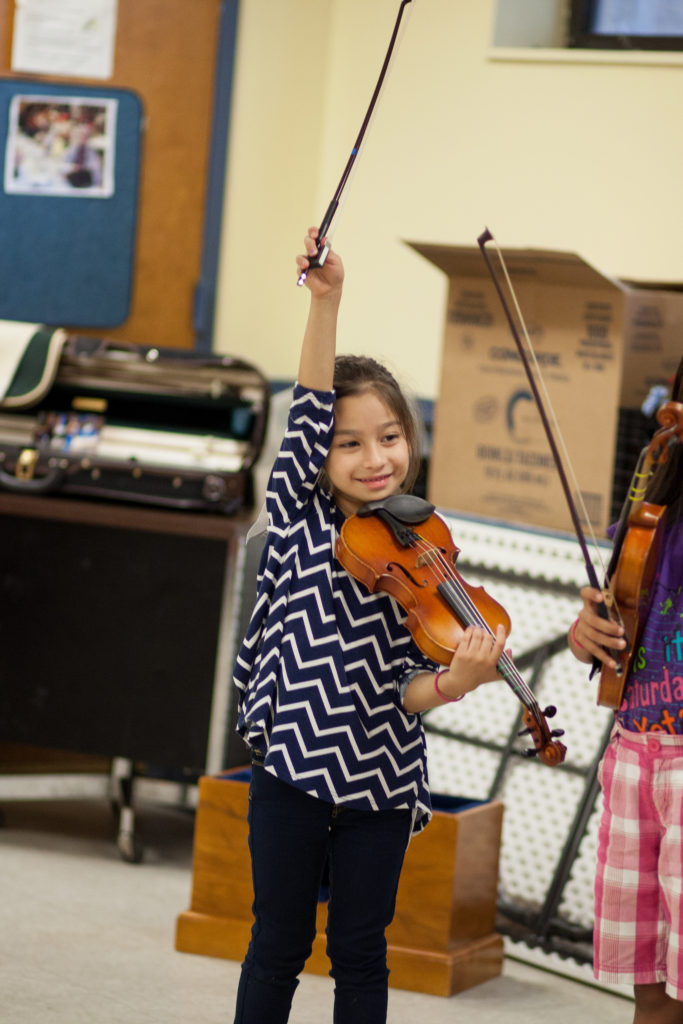
Be a Superstar! CMW is looking for a Director of Development and a Resident Musician Cellist to join our team. Are you a skilled philanthropy professional with a passion for cultivation? Are you a cellist that believes in the transformational power of music?
Learn more here:
https://opportunities.aspenleadershipgroup.com/opportunities/398
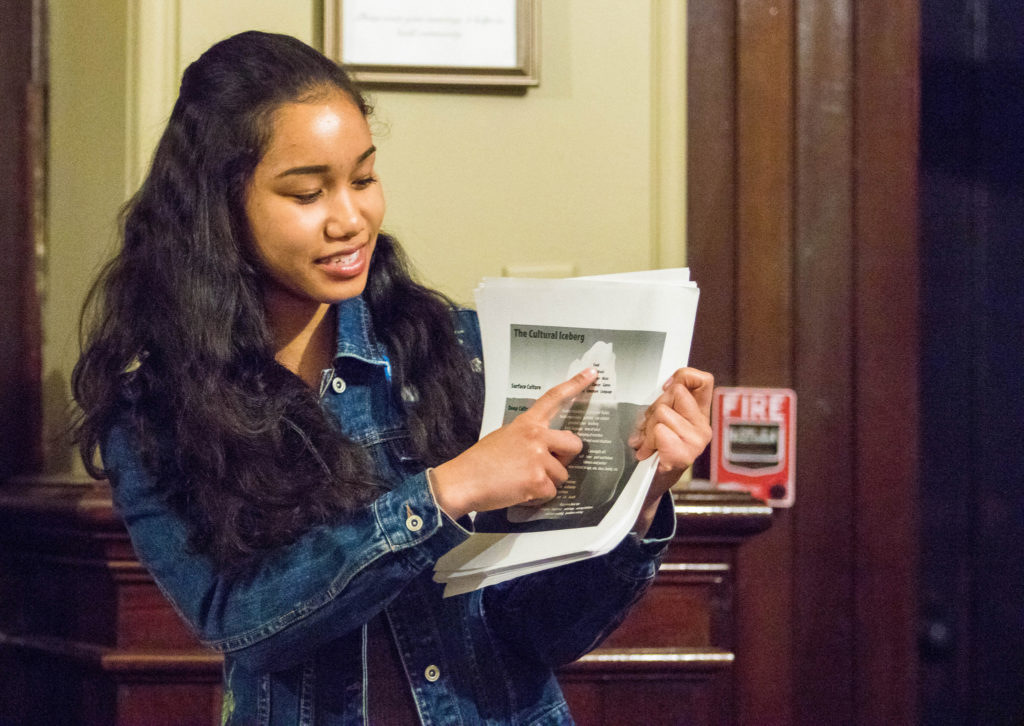 VanNashlee presents at the recent Phase II Youth Salon.
Community MusicWorks’ Founder & Artistic Director Sebastian Ruth introduces us to VanNashlee Ya, one of three graduating students we’ll be featuring this spring:
Over the past 21 years, I have seen Community MusicWorks’ mission come most clearly into focus when talking with our graduating seniors and seeing their maturity, broad worldview, and deep commitment to their communities. As you may know, we support students over the long haul, sometimes from age six or seven through high school, and it is the deep and long term connections that we know make the difference in our students’ lives, and that build the sense of cohesive community that we strive for and value.
Today I want to introduce you to VanNashlee Ya, a CMW violin student I have had the joy of teaching over the past two years. VanNashlee is a senior and is finishing her eleventh year learning journey with CMW. As you’ll see in her testimonial, VanNashlee has been involved with every dimension of CMW—from violin study, to Phase II discussions about artistry and social justice, to mentoring our elementary school students in the Daily Orchestra Program, to the important work of developing a voice as a leader among peers and adults in our community.
CMW has graduated dozens of students, most of whom have gone on to college (95% of our graduating students go on to college, compared to neighborhood graduation rates of 45%), and move into the working world with experience using their voice and collaborating with colleagues.
As we look toward the final months of our 21st season, please consider the value of the experiences young people have with CMW, not to mention our over thirty free concerts each season, and make a gift in support of our mission and musicians. We have just $40,000 more to raise by June 30 to reach our fundraising goal for this year. It is your support that powers programs like our free music lessons, the Phase II program where VanNashlee and her colleagues have been working hard this year to prepare the annual Youth Salon, and so much more. Your gift will allow CMW to continue to offer these inspiring programs for free in our community.
We are grateful for your being part of our mission. As a supporter, your investment and partnership allows us to continue the collaboration between musicians, young people, and our community in a way that is engaging, meaningful, and available to everyone.
With deep appreciation,
Sebastian Ruth
Founder & Artistic Director

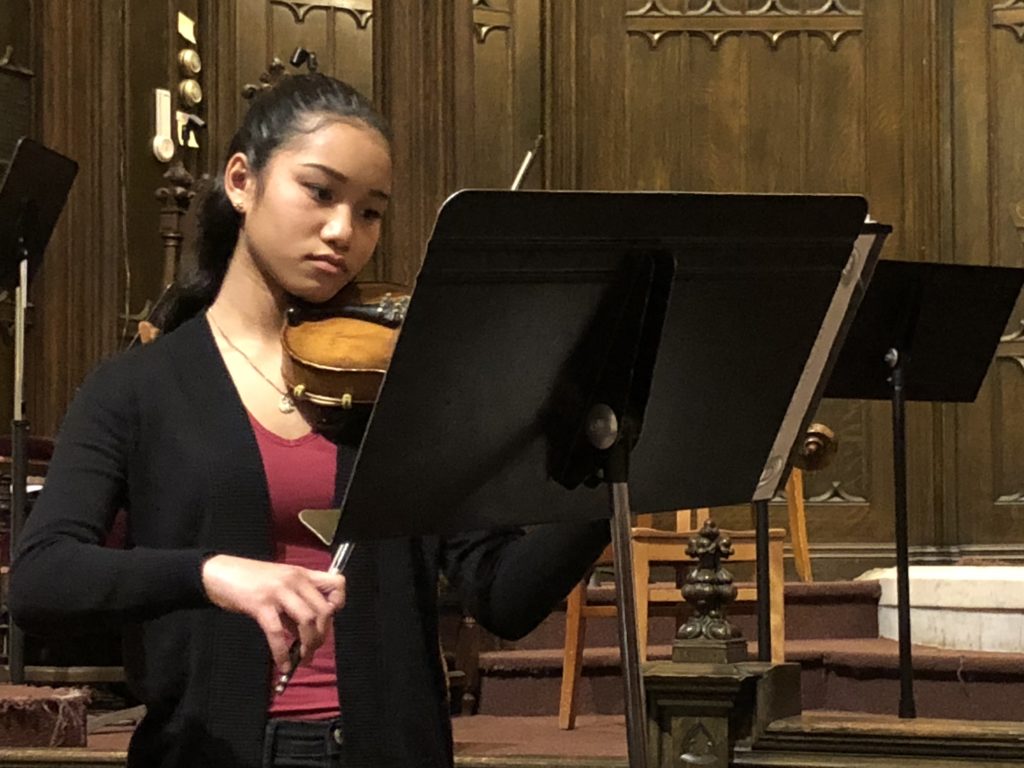
VanNashlee Ya, a current Phase II CMW student, lives in the Elmwood neighborhood of Providence, RI and is a high school senior. VanNashlee will attend Williams College in the fall and plans to major in Biology, pursuing the pre-med track.
I have been a student at Community MusicWorks for eleven years and throughout these eleven years, I have made connections with people in the community, explored and expressed my identity through music, and joined together with other youth at CMW to organize and lead events centered around music and social justice.
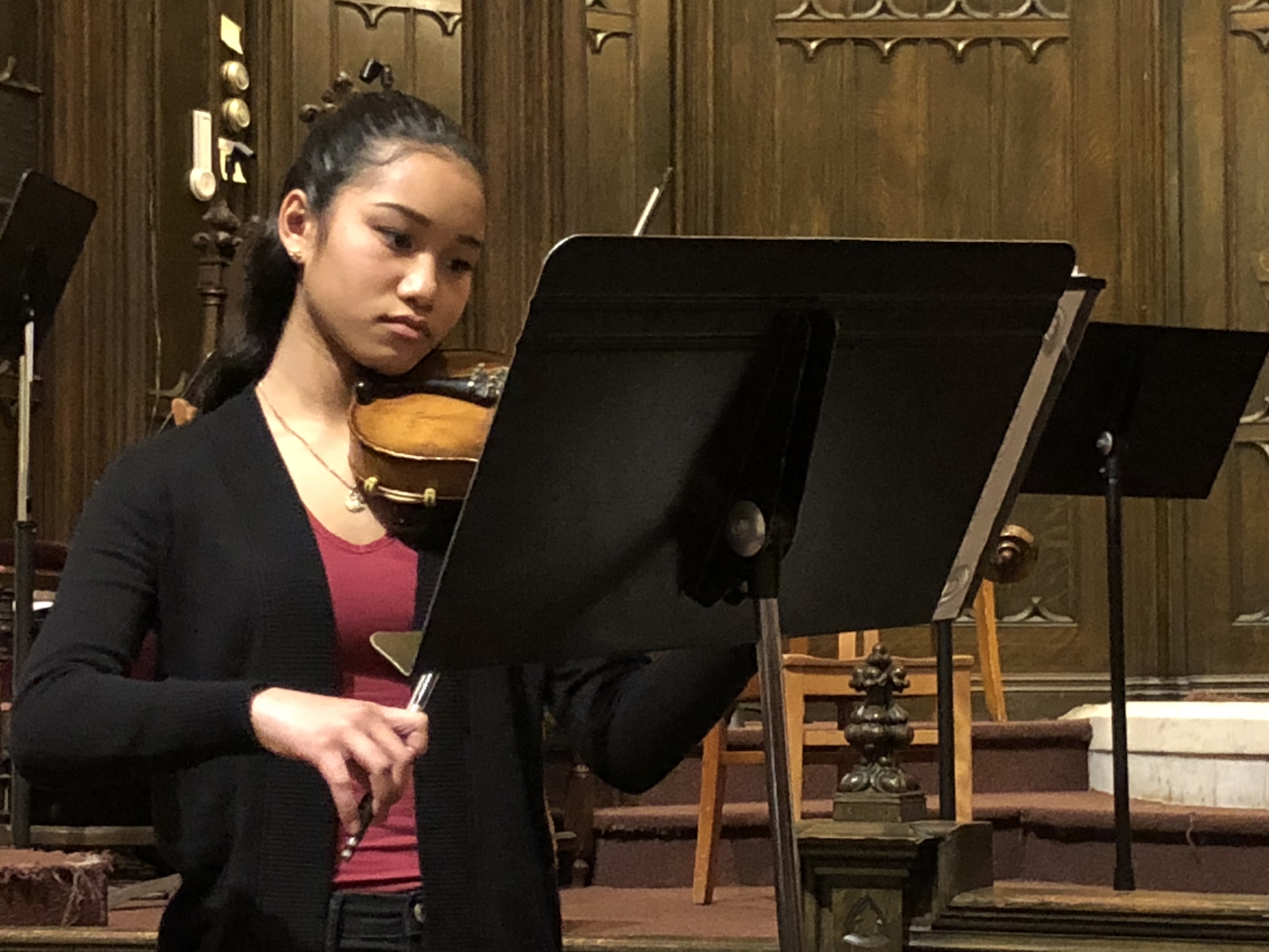
I currently study violin with CMW Artistic Director, Sebastian Ruth and am always excited to learn new skills, discover different challenges, and improve my musicianship. In addition, I enjoy having conversations about various topics such as our experiences as musicians, the importance of diversity and social justice in the community, our inspirations, our favorite songs, and even funny stories and jokes. He always encourages me to become a better musician and person.
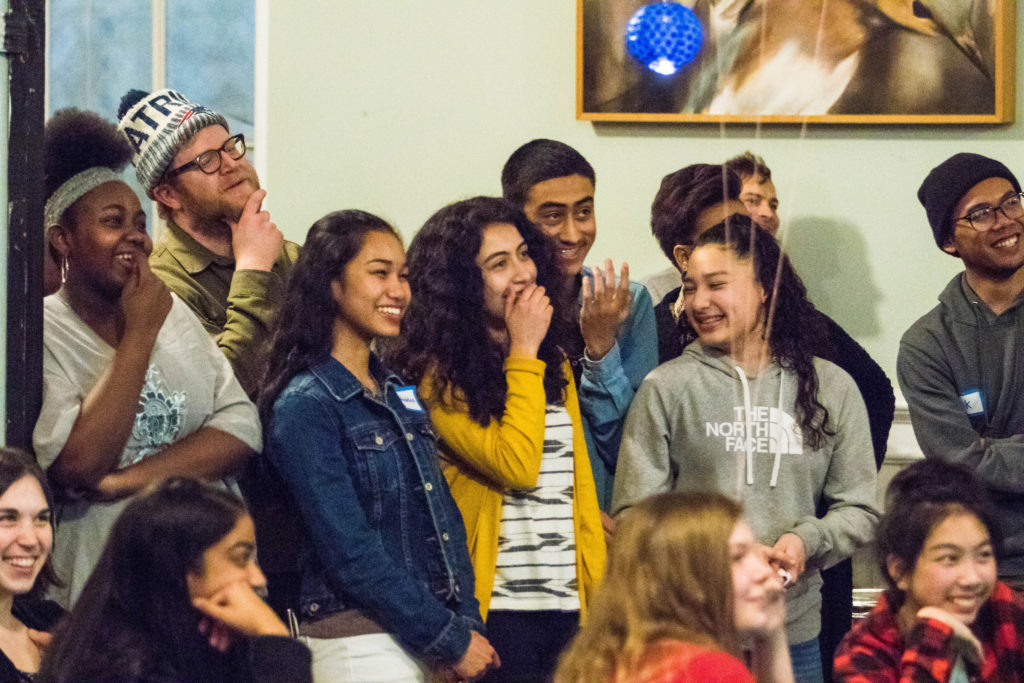
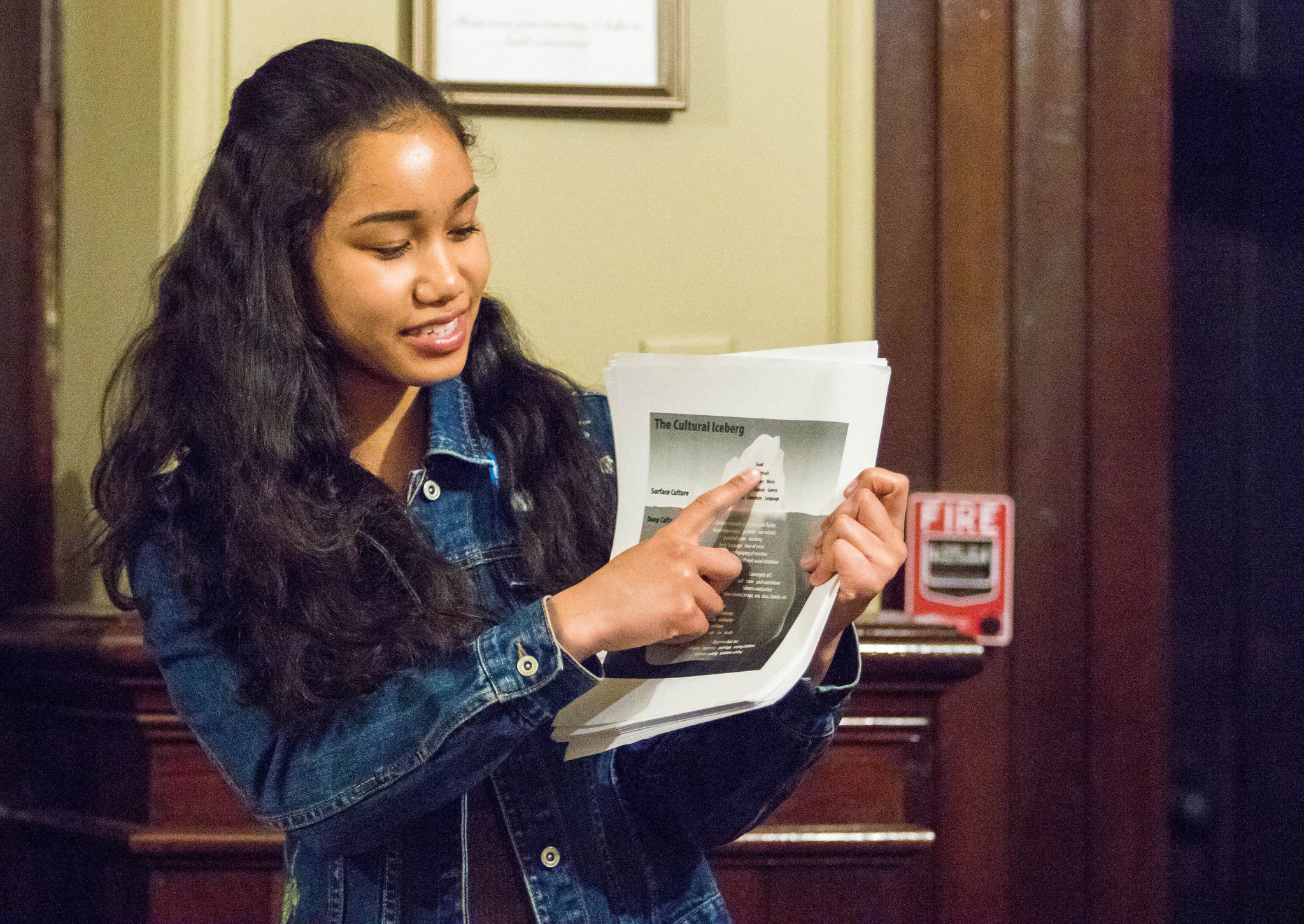
As a member of Phase II, I have the opportunity to spend time with other teenage students at CMW and engage in thought-provoking discussions about social justice. We have been working towards organizing the Youth Salon, an event we host every year where we invite the community to join us in our discussions and have a taste of what Phase II is like. Working with the other students is always special because we get to share our ideas, our love for music, our hopes for bettering the community, and we always have a great time just hanging out. Along with being in Phase II, I am a student representative on the CMW Board and a mentor at the Daily Orchestra Program.
These experiences have helped me to develop confidence in using my voice and becoming a leader in my community. I have three siblings also participating in CMW and we are happy to call CMW our second family. CMW is an awesome place that has granted me countless opportunities, helped me to express my identity, and make strong connections with the community. Even after I graduate, CMW will always hold a special place in my heart.
–VanNashlee Ya
VanNashlee, along with all of our graduating Phase II students, will be a featured soloist at our End-Of-Year Student Gala, Tuesday, May 22 at 6:00pm. Your generosity this spring will recognize the year-long work of all of our musicians and celebrate our performances—along with helping CMW continue our next decade of music making and our next generation of inspired students and musicians.
Rachel Panitch, violinist in our Fellowship Program from 2007-2009 and founder of the RI Fiddle Project in Pawtucket, updates us on her life in music.
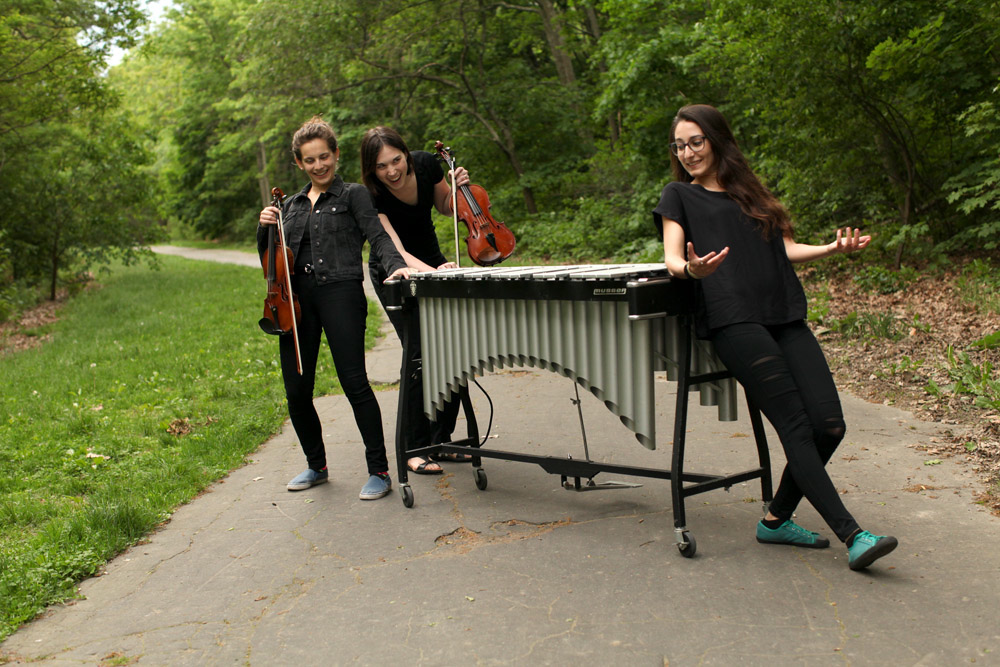
I have been living a musician’s life in Boston, performing classical, folk, improvised and original music. Thread Ensemble is my trio with two violins and vibraphone, which creates improvised works inspired by (and sometimes co-created with) our audiences. We were a part of a theater production last month at the Boston Center for the Arts where we incorporated our audience’s responses to questions about belonging, migration, home, and early memories of play in their lives into the performances. We just received a grant through The Boston Foundation to develop a new concert-length work for late 2018. And on May 16th, we will be giving a concert created entirely of works co-created with the help of over 100 Kickstarter backers.
Cardamom Quartet, my string quartet, has been performing solely works composed by women in our 2017-18 concerts, and possibly much longer! We’re so glad to be part of the wave of change. Our next concerts will be on June 16th in Jamaica Plain and Cambridge.
I teach creative music-making in a variety of situations: this has meant workshops on learning to improvise, composing, song-writing, and yes, fiddle music, too. I’ve been doing this at musiConnects, Classroom Cantatas, the Continuing Ed school at New England Conservatory, and Community MusicWorks.
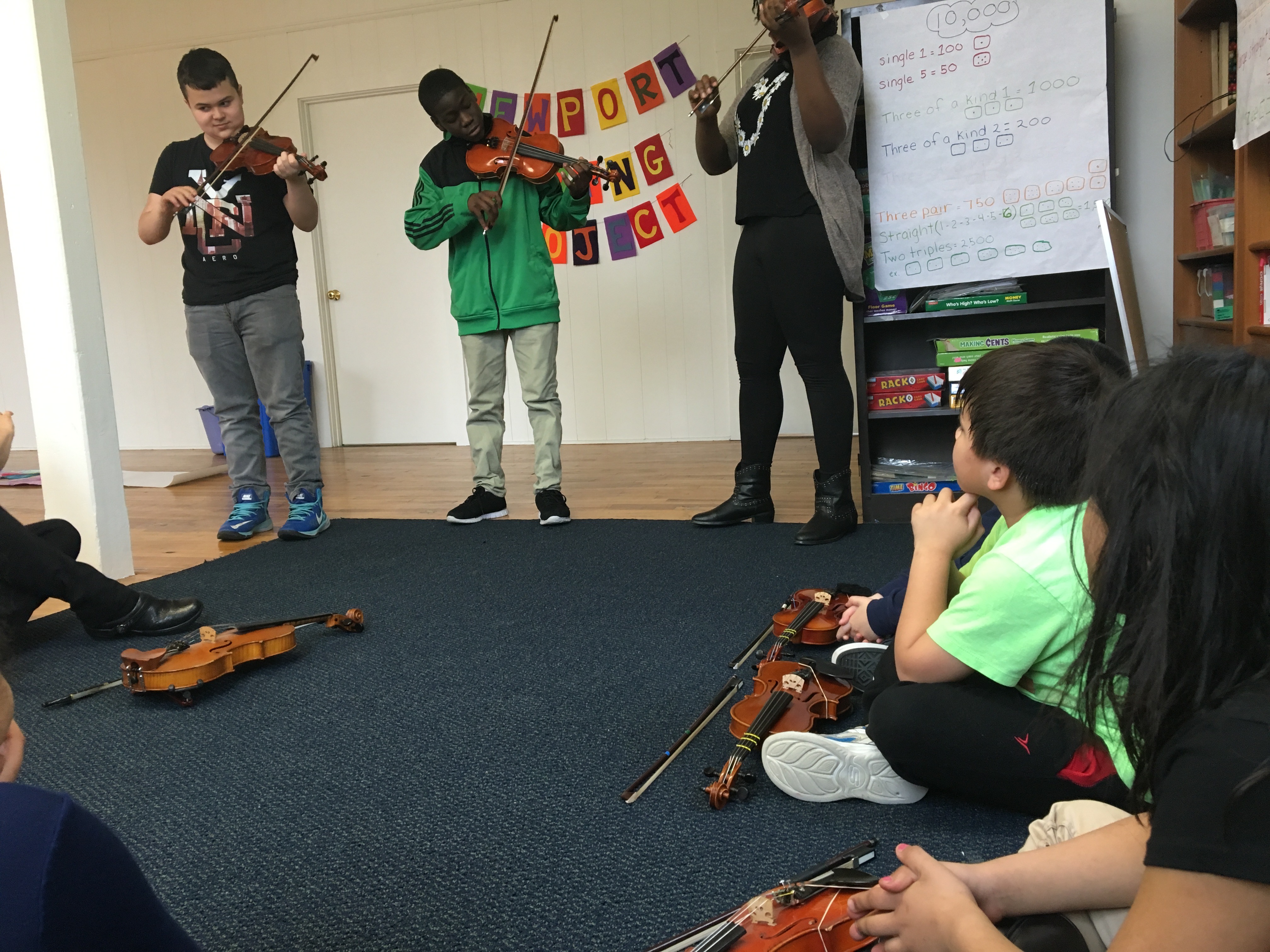
Two students, now teenagers, from Rhode Island Fiddle Project have refused to stop learning. They have continued to expand their repertoire of tunes by working with Michelle Kaminsky with the help of RISCA Folk Arts Apprenticeship Grants and a generous donor, and perform at the farmer’s market, and occasionally teach tunes to students in other programs, like Newport String Project.
In short, it’s a wonderful melding of work and I continue to benefit from the people, ideas, and experiences that I encountered as a fellow 10 years ago at CMW.
–Rachel Panitch
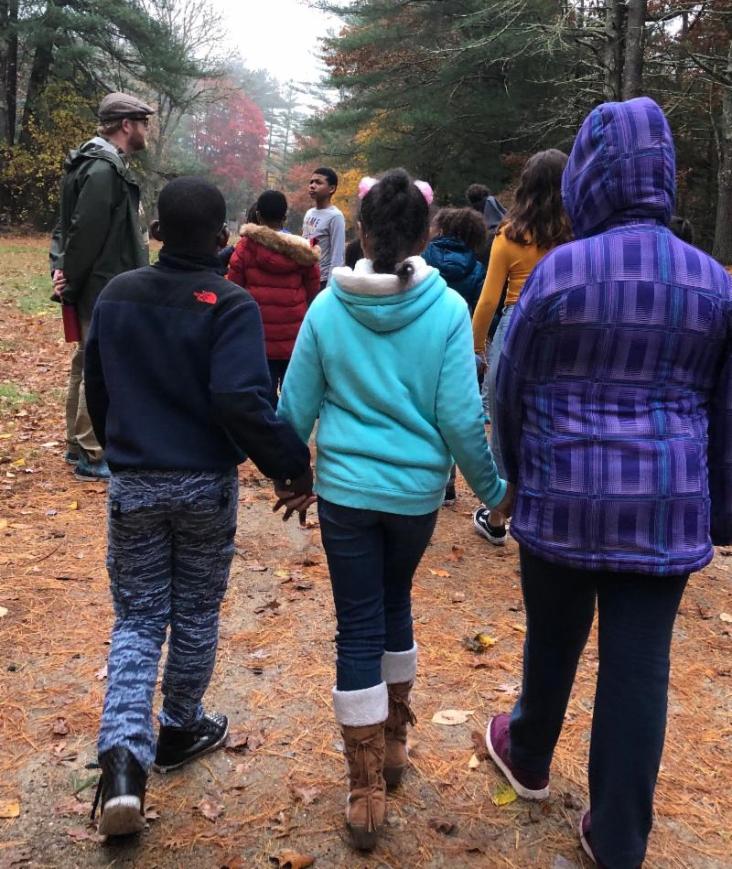
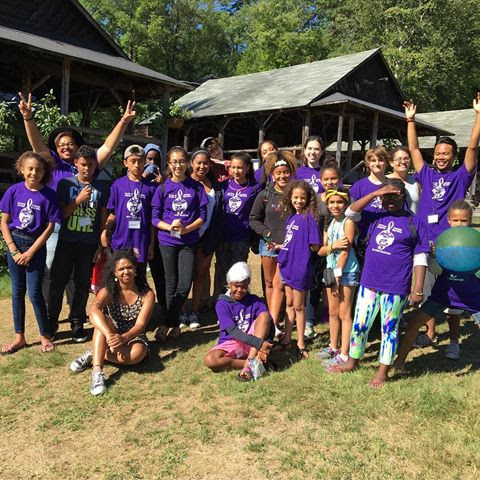 Summer camp students and counselors at Ogontz.
|
|